
Why two 5,000-year-old super-substances are having a renaissance – and what the science says
For centuries, two substances from the Himalayas have been central to Ayurvedic medicine. Today, they’re reappearing in wellness circles, biohacker stacks, and clinical studies.
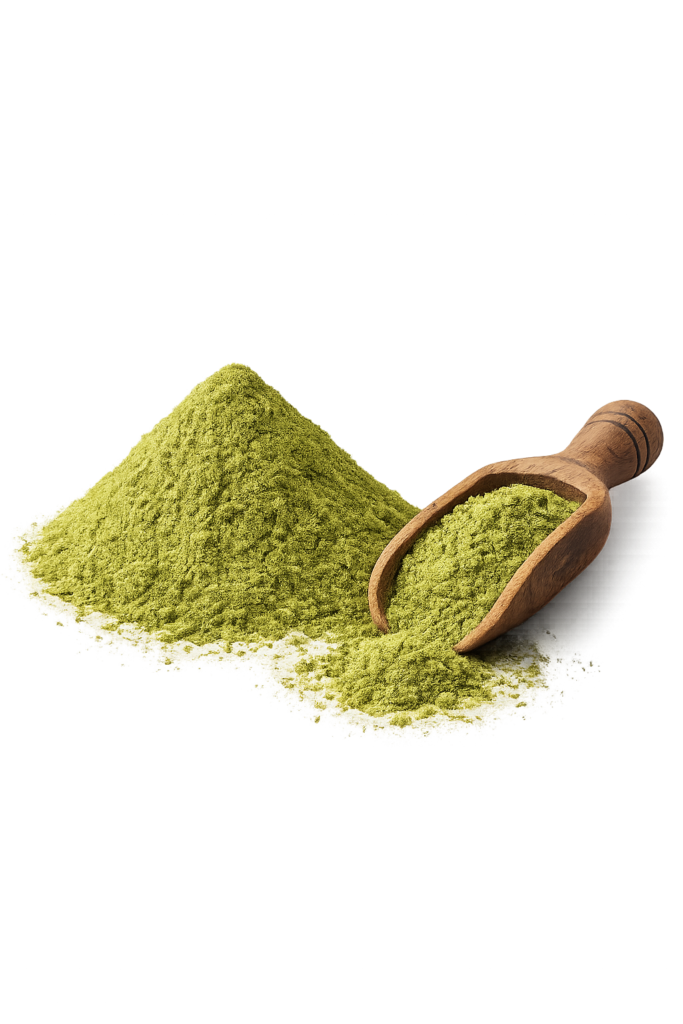
Moringa oleifera, the “drumstick tree.”
Shilajit, a black resin that seeps from mountain rock each summer.
One is a leaf. The other is decomposed plant matter, compressed by geological pressure for millennia. Both are moving from ancient text to modern lab.
The Green and the Black
Dr. Lisa Curtis, ethnobotanist and founder of Kuli Kuli, calls Moringa “the most nutrient-dense plant ever studied.”
“Gram for gram, Moringa leaves contain 7 times the vitamin C of oranges, 4 times the calcium of milk, and 3 times the potassium of bananas. It’s nature’s multivitamin.”
Moringa is also 25% protein by weight – complete protein, with all nine essential amino acids. Beyond macros, it delivers quercetin, chlorogenic acid, and beta-carotene: compounds linked to reduced inflammation and oxidative stress.
Shilajit is harder to define. Ayurvedic physician Dr. Vasant Lad describes it this way:
“Shilajit is not a herb. It’s the blood of the mountains. It carries the memory of thousands of plants.”
Its key compound is fulvic acid, often 40–60% in purified resin. Fulvic acid acts as a molecular carrier, binding to minerals and increasing their transport across cell membranes. Research from India’s National Institute of Ayurveda shows Shilajit supports mitochondrial ATP production and may reduce tau protein aggregation. In human trials, doses of 250–500 mg daily improved fatigue scores and testosterone levels in men.
Why They’re a Pair
Moringa provides the raw materials. Shilajit improves delivery.
Moringa floods the body with vitamins, minerals, antioxidants, and plant protein. But nutrient absorption drops when gut health is compromised or when cells are depleted by chronic stress.
Shilajit’s fulvic acid increases bioavailability of nutrients by up to 40% in some studies. It also functions as a chelator, binding to heavy metals and supporting their excretion. One builds, one drives.
“In Ayurveda we rarely use one herb alone,” Dr. Lad explains. “We use yogavahi – carriers – to potentiate the main herb. Shilajit is the ultimate yogavahi.”
The Caveats Nobody Puts on Instagram
Popularity doesn’t equal safety. Both substances are bioactive and carry real considerations.
Shilajit: May increase serotonin levels and affect mitochondrial function. That creates potential interactions with SSRIs, MAO inhibitors, lithium, antipsychotics, and anti-epileptics like valproic acid. It is also mineral-dense, which matters for anyone with kidney issues or on medications that alter electrolytes. Quality varies wildly. FDA testing has found 80% of online Shilajit adulterated — some with heavy metals, some with burnt sugar.
Moringa: Generally well-tolerated, but it’s high in vitamin K, which interferes with blood thinners like warfarin. It also lowers blood sugar, which can compound the effects of metformin or insulin. Leaf powder can be contaminated with lead if grown near roads.
“If your Shilajit doesn’t come with a lab test for heavy metals and fulvic acid percentage, don’t buy it,” says Daniel Reid, author of *The Tao of Detox*. “You’re eating rock sweat. Make sure it’s clean rock.”
What the Research Actually Shows
Moringa: Human studies indicate benefits for blood sugar control, cholesterol, and inflammation markers. A 2014 review in Phytotherapy Research concluded it has “therapeutic potential for chronic diseases.”
Shilajit: A 2012 clinical study in Andrologia found 200 mg twice daily increased total testosterone and free testosterone in healthy volunteers after 90 days. A 2019 paper in *Journal of Medicinal Food* noted improved exercise performance and reduced fatigue. Research into cognitive decline and Alzheimer’s is ongoing due to its effects on tau proteins.
Neither is a miracle. Both have mechanisms that explain their traditional use: nutrient density, mitochondrial support, improved nutrient transport.
Moringa Nutritional Values (Per 100g Powder)
Moringa is often called a “superfood” because it contains many vitamins, minerals, antioxidants and plant proteins.
| Nutrient | Approximate Amount |
|---|---|
| Energy | 300–350 kcal |
| Protein | 25–30 g |
| Carbohydrates | 35–40 g |
| Fiber | 20–25 g |
| Fat | 5–7 g |
| Calcium | 1,500–2,000 mg |
| Potassium | 1,200–1,500 mg |
| Iron | 20–30 mg |
| Magnesium | 300–400 mg |
| Vitamin A | Very high |
| Vitamin C | Moderate to high |
| Vitamin E | Present |
| Amino Acids | Contains all essential amino acids |
| Antioxidants | Rich in polyphenols and flavonoids |
Potential Benefits of Moringa
- Supports general nutrition
- Rich in antioxidants
- May support energy levels
- Contains plant protein
- Supports immune function
- Often used in smoothies, teas and supplements
Shilajit Nutritional / Mineral Composition
Shilajit is a mineral-rich resin traditionally used in Ayurvedic medicine.
| Compound / Mineral | Approximate Presence |
|---|---|
| Fulvic Acid | 15–60% |
| Humic Substances | High |
| Iron | Present |
| Magnesium | Present |
| Zinc | Present |
| Potassium | Present |
| Calcium | Present |
| Copper | Trace amounts |
| Selenium | Trace amounts |
| Amino Acids | Small amounts |
| Antioxidants | Present |
Potential Benefits of Shilajit
- Traditionally used for vitality and stamina
- May support mitochondrial energy production
- Rich in fulvic acid
- Used in Ayurvedic wellness practices
- Sometimes associated with cognitive support
The Bottom Line
Moringa and Shilajit aren’t new. They’re 5,000-year-old tools being re-examined with modern methods. Used well – with quality sourcing and medical guidance – they address two fundamentals: material and delivery. One supplies the building blocks. The other helps the body use them.
They don’t replace food, sleep, or medical care. But for people rebuilding after illness, chronic stress, or nutrient depletion, they’ve earned a second look.
*Disclaimer: This article is for informational purposes only. Moringa and Shilajit can interact with medications. Consult a physician before use, especially if you take psychopharmaceuticals, blood thinners, or drugs for diabetes, blood pressure, or epilepsy.
Leave a Reply